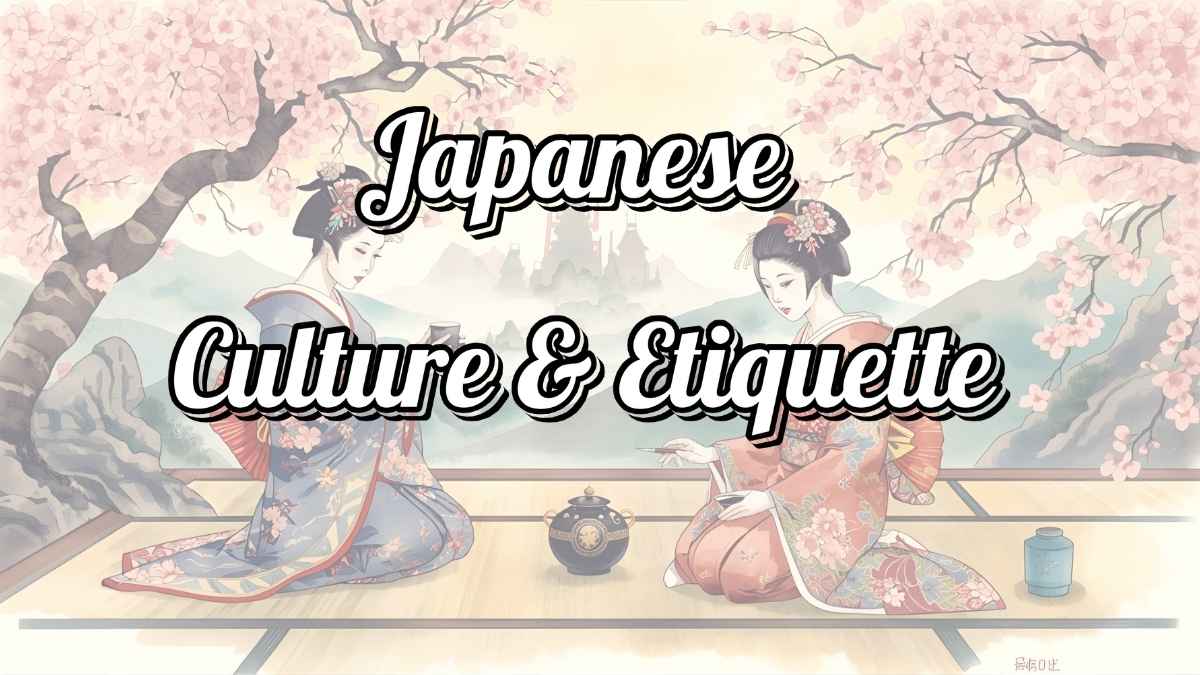
Discover the Heart of Japan – Tradition, Respect, and Harmony
伝統・礼儀・調和──それが日本文化の心です。
1. Introduction – はじめに
Japan’s culture is a beautiful blend of ancient traditions and modern innovation.
While visitors are welcomed warmly, understanding basic manners helps you connect deeply with locals.
日本は、古き伝統と現代の革新が調和した国です。
基本的なマナーを知っておくと、より深く日本の人々とつながることができます。
2. Greetings and Bowing – あいさつとおじぎ
Bowing is Japan’s traditional way of greeting, showing respect and sincerity.
You may see different types of bows depending on the situation.
おじぎは、日本の伝統的なあいさつで、敬意と誠意を表します。
場面によっておじぎの角度や長さが変わります。
| Type | Angle | Meaning |
|---|---|---|
| Light Bow | 15° | Casual greeting |
| Standard Bow | 30° | Everyday politeness |
| Deep Bow | 45° | Deep respect or apology |
Tip: Shaking hands is okay in business or casual settings, but bowing is always safe.
(ビジネスでは握手もOKですが、おじぎが最も丁寧な印象です)
3. Shoes Etiquette – 靴のマナー
In Japan, shoes are always removed when entering homes, temples, ryokan, and some restaurants.
Slippers are usually provided.
日本では、家・旅館・寺・一部の飲食店では靴を脱ぐのがマナーです。
多くの場合スリッパが用意されています。
🚫 Never step on tatami mats with shoes or slippers!
(たたみに靴・スリッパで上がるのはNG)
4. Dining Manners – 食事のマナー
Japanese dining emphasizes gratitude and respect.
Meals start with “Itadakimasu” (いただきます) and end with “Gochisousama” (ごちそうさま).
日本の食事は「感謝」と「礼儀」が大切。
食前に「いただきます」、食後に「ごちそうさま」と言います。
Table Manners:
- Don’t stick chopsticks upright in rice (it resembles a funeral ritual).
- Don’t pass food from chopsticks to chopsticks.
- Use the opposite end of your chopsticks to take food from shared plates.
- Slurping noodles is OK—it shows enjoyment!
テーブルマナー:
- 箸をご飯に立てるのはNG(葬儀を連想します)
- 箸から箸へ食べ物を渡さない
- 取り分けるときは、箸の反対側を使う
- 麺をすするのはOK!美味しさの表現です
5. Visiting Shrines and Temples – 神社・お寺のマナー
Before entering, bow once at the gate (torii).
At the purification fountain (temizuya), wash your hands and rinse your mouth.
神社に入る前に一礼し、手水舎で手と口を清めます。
Worship Steps:
- Throw a coin into the box
- Bow twice
- Clap twice
- Pray silently
- Bow once again
参拝の流れ:
- お賽銭を入れる
- 二礼
- 二拍手
- 心の中で祈る
- 一礼
📸 Tip: Avoid taking photos inside the main shrine building.
(本殿内の撮影は禁止の場合があります)
6. Communication Style – 話し方と礼儀
Japanese people tend to be polite, modest, and indirect.
Silence can mean respect, not discomfort.
日本人は丁寧で控えめ、そして遠回しな表現を好みます。
沈黙は「気まずさ」ではなく「敬意」を表すこともあります。
Useful Phrases:
- すみません (Sumimasen) – Excuse me / Sorry / Thank you
- お願いします (Onegaishimasu) – Please
- ありがとうございます (Arigatou gozaimasu) – Thank you very much
7. Public Etiquette – 公共マナー
Public behavior in Japan is often quiet and considerate.
Keep noise low, queue neatly, and respect shared spaces.
公共の場では静かで思いやりのある行動が求められます。
列を守り、静かに過ごしましょう。
Tips:
- Don’t talk loudly on trains.
- Dispose of trash properly (bins are rare!).
- Smoking is allowed only in designated areas.
- Be punctual—time is respected in Japan.
(電車内での通話NG/ゴミ箱は少ないので持ち帰る/喫煙は指定場所のみ/時間厳守)
8. Gift Giving – 贈り物の文化
Gift-giving is a deep tradition in Japan, expressing appreciation and respect.
Both giving and receiving are done with both hands.
日本では、感謝と敬意を込めて贈り物をします。
渡すときも受け取るときも両手で行うのがマナーです。
Examples:
- Souvenirs (Omiyage) after a trip
- Seasonal gifts (Ochugen, Oseibo)
- Small thank-you gifts (Okashi or snacks)
9. Respecting Japanese Culture – 文化への敬意
Showing interest in Japan’s traditions—tea ceremonies, calligraphy, kimono—is deeply appreciated.
日本の文化(茶道・書道・着物など)に興味を持つことは、とても喜ばれます。
Try Cultural Experiences:
10. Summary – まとめ
Japan’s culture and etiquette reflect respect, harmony, and mindfulness.
By learning and following these customs, you’ll gain a deeper connection with Japanese people.
日本の文化やマナーは「敬意・調和・思いやり」の心から生まれています。
少し意識するだけで、旅がもっと豊かになります。


コメント